
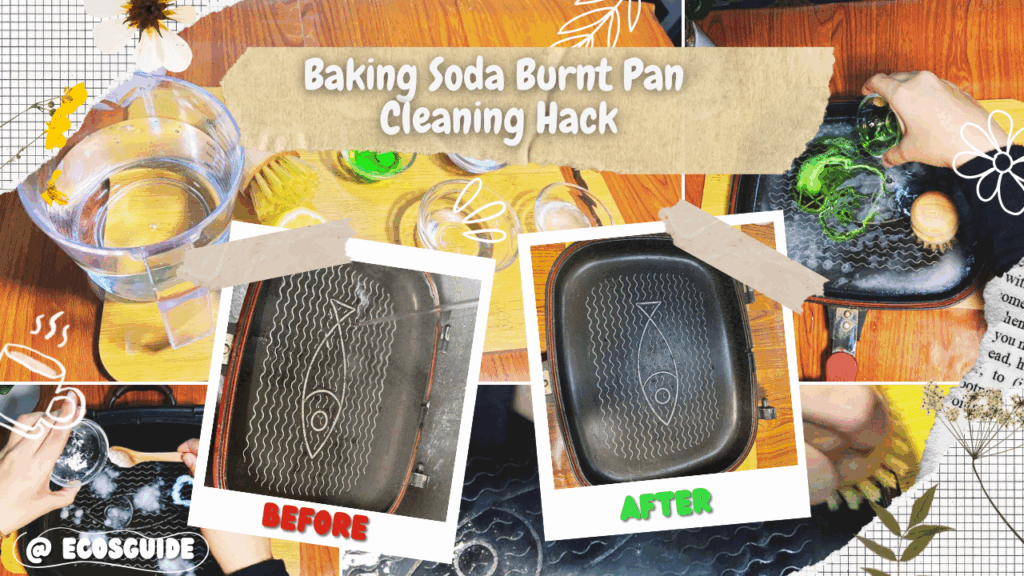
To clean a burnt pan with baking soda, spread a thick paste of baking soda and a little water over the burnt area, leave it for at least 15 minutes, then scrub gently with a soft brush or a non-scratch sponge.
For heavier, crusted-on burns, fill the pan with water, stir in 2 to 3 tablespoons of baking soda, and simmer for 10 to 15 minutes before scrubbing.
Baking soda lifts burnt food without any harsh chemicals, and it is gentle enough for almost every kind of cookware.
I have burned more pans than I would like to admit, usually the second I turn my back to answer a message.
For years I reached for the harshest cleaner under the sink, the kind that strips burnt crust off in seconds.
Then I started thinking about where all of that goes once it leaves the pan. The loosened crust rinses away easily enough, but so do the cleaning chemicals, and together they run down the drain and into the water system.
Caustic cleaners like oven spray and bleach do not simply disappear once they leave the sink; they end up in the rivers and waterways that everything downstream depends on.
Below, I’ll walk you through exactly how to clean burnt pan with baking soda, step by step, and how to pick the right method for your cookware.
Key Takeaways
- A baking soda paste left on for 15 minutes lifts most burnt residue. For tougher burns, simmer 2 to 3 tablespoons of baking soda in water for 10 to 15 minutes, then scrub gently.
- Baking soda is safe on stainless steel, enamel, and cast iron, and fine as a soft paste on non-stick or ceramic, just never with abrasive pads or steel wool.
- Skip the baking soda and vinegar combo for heavy burns. The fizz mostly neutralizes into salty water and does little real cleaning.
- The greenest method pairs baking soda with a natural scrubber like bamboo or coconut coir, keeping harsh chemicals and microplastics out of the water.
Why Does Baking Soda Clean a Burnt Pan?
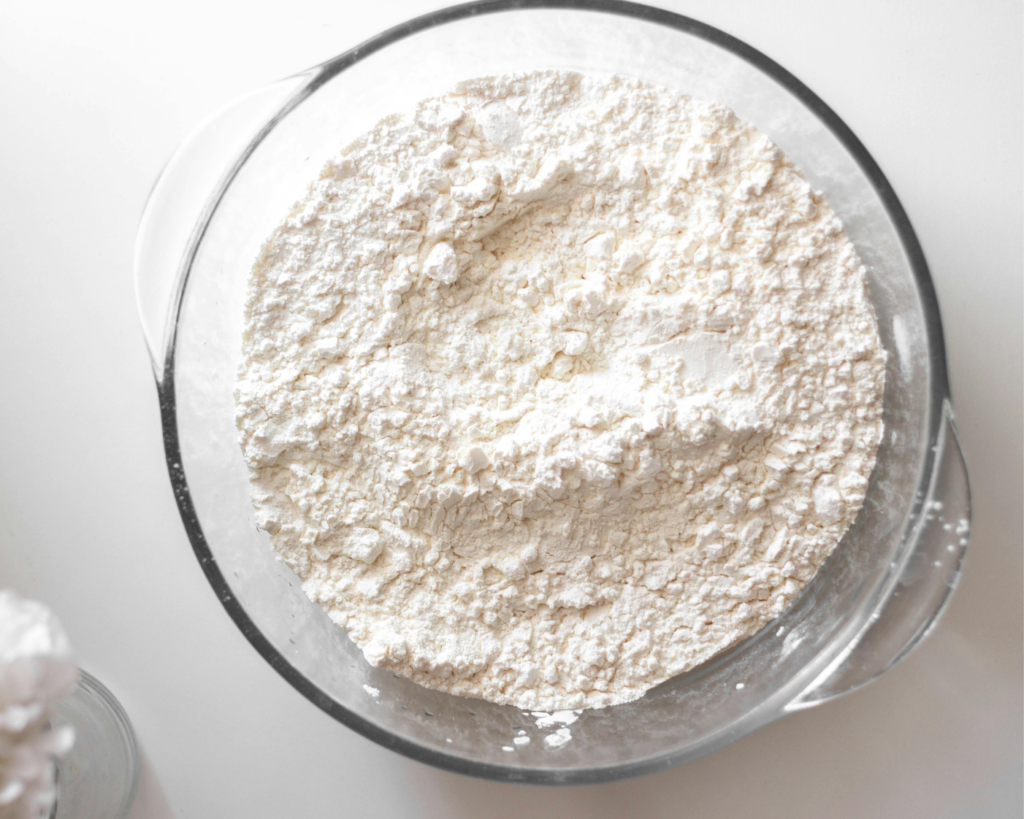
Baking soda cleans a burnt pan because it is mildly alkaline, with a pH of around 8.0 to 8.3, which loosens the acidic, charred residue.
Its fine grit then gently scrubs the buildup away without scratching most metals.
That combination is what makes it so useful. The alkalinity softens the bond between burnt food and the metal, and the gentle grit gives you something to physically lift the loosened mess.
It also absorbs the stale, smoky smell that tends to linger after a bad burn.
Here is the honest part. Baking soda is not a heavy-duty degreaser, and it will not dissolve thick, greasy buildup on its own.
What it does is loosen burnt-on food enough that you can lift it away with a soft scrubber and a little patience, which is exactly what most burnt pans need.
The reason I reach for it first is not only that it works.
It is what I am not using. Oven cleaners and bleach-based products rely on caustic chemicals that get rinsed straight down the sink.
Baking soda is non-toxic and biodegradable, which is why it sits comfortably within the kind of gentle cleaning that the EPA’s Safer Choice program encourages.
If you want the fuller picture, I dug into whether baking soda is genuinely eco-friendly in a separate guide.
What You’ll Need to Clean a Burnt Pan
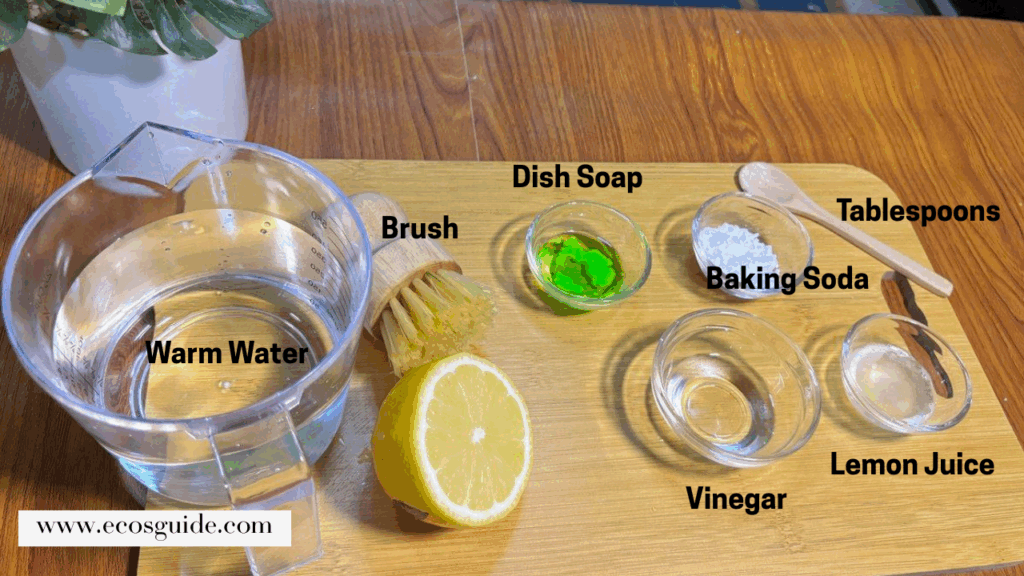
Cleaning a burnt pan does not take a cabinet full of sprays. A few simple, non-toxic basics handle almost everything, and most are probably already in your kitchen.
Here is what I keep on hand:
- Baking soda
- Warm Water
- Dish soap
- White vinegar
- Lemon (optional)
- A natural scrub brush or non-scratch sponge
How to Clean a Burnt Pan with Baking Soda, Step by Step
The right method depends on how bad the burn is. I always start with the gentlest option and step up only if the pan needs it.
The safest way to clean any burnt pan is to start with a baking soda paste, because a soft paste lifts residue on every cookware type, including non-stick, without the risk that hard scrubbing or boiling can bring.
The Baking Soda Paste Method (Best for Most Pans)
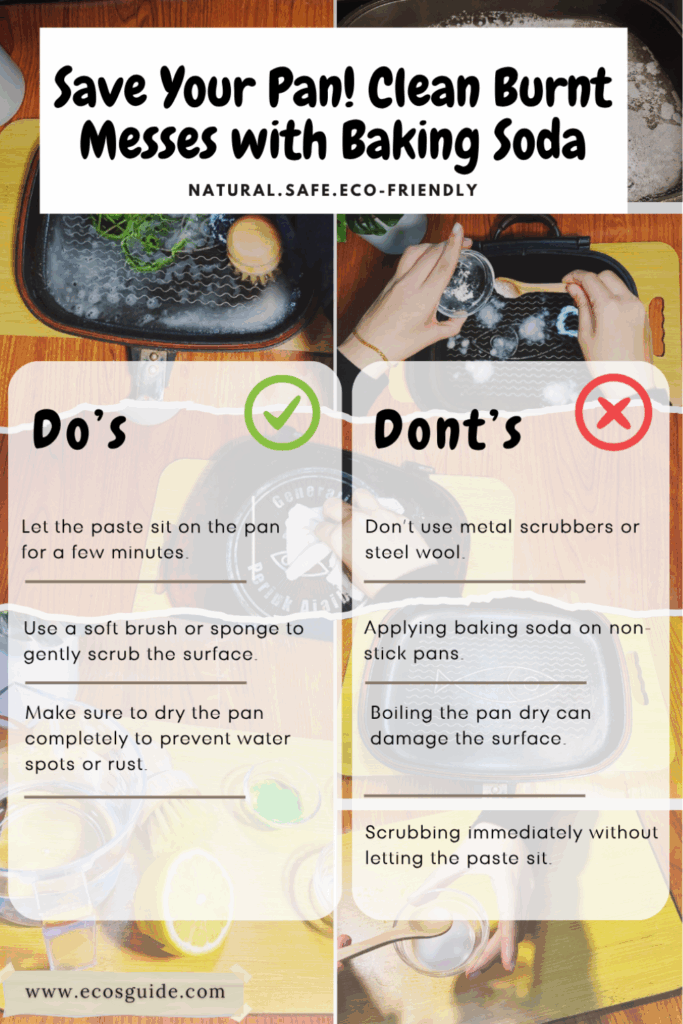
This is the method in the photos above, and it is my default for everyday burns.
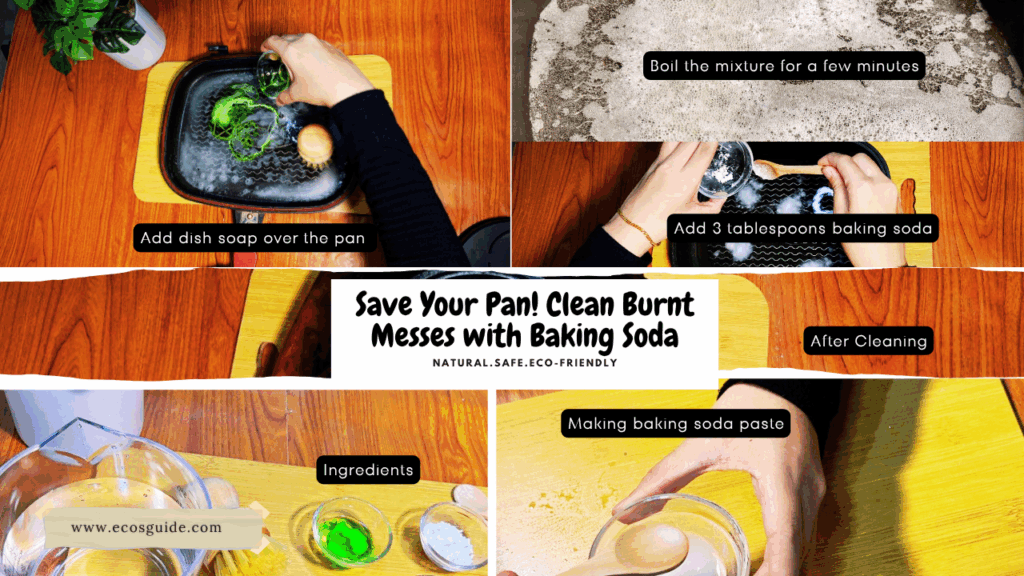
- Scrape away any loose burnt bits first. Do not force anything that is stuck.
- Mix about 3 tablespoons of baking soda with just enough water to make a thick, spreadable paste, roughly the texture of toothpaste.
- Spread it generously over every burnt spot. Full coverage matters.
- Let it sit for at least 15 minutes so the baking soda has time to loosen the residue.
- Scrub gently in small circles with a soft brush or non-scratch sponge, adding pressure only if you need to.
- Rinse with warm water and check your progress. Repeat on any stubborn patches.
Any standard box of baking soda will do the job. I keep a big box of Arm & Hammer baking soda on hand so I am never caught without it, since I use it for half the cleaning jobs in my kitchen anyway.
The Boiling Method (For Tougher Burns on Stainless Steel, Enamel, or Cast Iron)
When a burn has truly cemented itself on, heat helps. This is the method for stainless steel, enamel, or cast iron pans that can take it. Please skip this one for non-stick, where the paste method is safer.
- Add enough water to cover the burnt area.
- Stir in 2 to 3 tablespoons of baking soda.
- Bring it to a gentle boil and let it simmer for 10 to 15 minutes. You will see the burnt bits start to loosen and float.
- Turn off the heat and let the water cool before you handle the pan.
- Pour it out and lift the softened residue with your soft scrubber.
One honest note: a badly burnt pan often needs two or three rounds, and that is completely normal. It is always better to repeat a gentle treatment than to attack the pan with something abrasive and risk scratching it. Patience genuinely beats pressure here.
Does Baking Soda and Vinegar Clean Burnt Pans Better?
Not really. When you mix baking soda and vinegar, they react to form mostly water, carbon dioxide, and a salt called sodium acetate.
The dramatic fizz loosens debris physically rather than creating a stronger cleaner.
The fizzing is satisfying, and it does help in one specific way: the bubbling can lift light, loose debris and mineral marks.
But the chemistry is widely misunderstood. As chemists have explained about the reaction, once the two combine and finish fizzing, much of each one has already been spent, and you are mostly left with salty water.
So for a genuinely burnt pan, baking soda with heat and a little time does more of the real work than the fizz does.
If you do want to use vinegar, it is most useful on its own for light mineral spots and water stains, applied separately rather than premixed into a foaming paste.
Is Baking Soda Safe for Every Pan?
Baking soda is safe on stainless steel and enameled cookware, but on non-stick and ceramic surfaces it should only be used as a soft paste, never with scouring pads or steel wool.
Here is how it breaks down by material:
- Stainless steel: Yes. Baking soda cleans burnt stainless steel pans well and will not pit or scratch the surface with normal use.
- Enamel and enameled cast iron: Yes, with a gentle hand. The paste method is ideal.
- Non-stick and ceramic: Paste only. A soft baking soda paste is fine, but avoid scrubbing hard, never use abrasive pads, and do not boil the pan dry, which can damage the coating.
- Bare cast iron: You can clean it, but baking soda can strip the seasoning, so re-oil and re-season the pan afterward.
- Aluminum: Use sparingly. Baking soda can cause aluminum to darken or discolor over time.
| Pan Material | Safe to Use? | Best Method | Watch Out For |
| Stainless steel | Yes | Paste or boiling method | Nothing under normal use; it will not pit or scratch |
| Enamel and enameled cast iron | Yes, gentle | Soft paste | Avoid hard scouring that can wear the enamel |
| Non-stick and ceramic | Paste only | Soft paste, soft sponge | No abrasive pads or steel wool; do not boil the pan dry |
| Bare cast iron | Yes, with care | Clean, then re-season | Strips the seasoning, so re-oil afterward |
| Aluminum | Use sparingly | Light paste | Can darken or discolor over time |
There is a quiet eco angle in all of this that is easy to miss.
Cleaning a pan gently keeps it in service for years instead of sending it to landfill, and the greenest, cheapest pan is almost always the one you already own.
The same logic is why I would rather lift rust off a knife than replace it, something I walk through in my guide to removing rust from knives with baking soda.
What Should You Scrub a Burnt Pan With?
The scrubber matters as much as the baking soda.
Synthetic scrubbers, especially melamine foam “magic eraser” sponges, shed microplastic fibers as they wear down, and those fibers wash into water systems.
This is the part most cleaning guides skip entirely, and it is the part I care about most.
Reach for the wrong tool and you can undo the whole point of choosing a gentle cleaner.
A study reported by ScienceDaily found that worn melamine sponges can release millions of microplastic fibers, which travel through the drain and into rivers and the food chain.
Aluminum foil balls and steel wool cause a different problem: they scratch coatings and dull finishes, which shortens a pan’s life and sends it to landfill sooner.
The good news is that the natural partners to baking soda work beautifully and last.
A wooden or bamboo brush, a coconut coir pad, a walnut-shell scrubber, or a loofah will all lift loosened residue without shedding plastic or scratching your pan. When mine wear out, they break down instead of lingering for centuries.
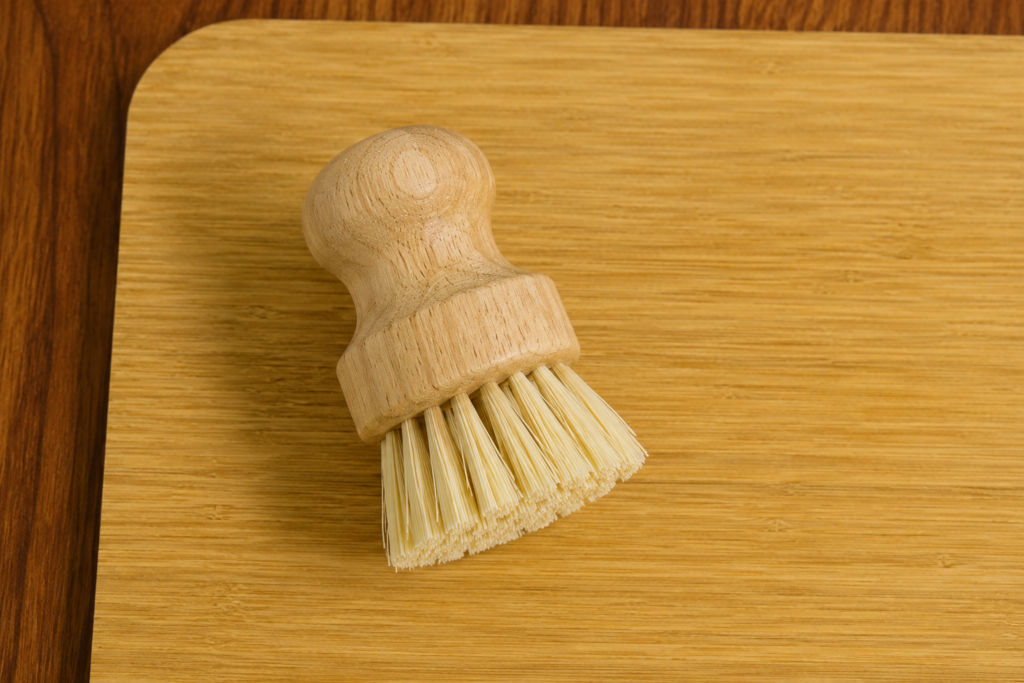
If you are ready to retire the synthetic pads, I have rounded up my favorites in two guides: the best eco-friendly dish scrubbers for everyday washing up, and a closer look at the natural bamboo dish brush I reach for most.
For drying without water spots afterward, a reusable cloth does the trick, and here is how I keep mine fresh: washing a microfiber cloth properly.
The Same Method Works on Other Burnt-On Kitchen Messes
The same baking soda paste and soak that cleans a burnt pan also lifts burnt-on grease from oven trays, baking sheets, air fryer baskets, and stovetops.
Once you have this method down, it travels. Burnt baking sheets and oven trays respond to the same paste, left to sit and then scrubbed gently.
Air fryer baskets do too, though here the non-stick rule applies, so stick to a soft paste and a gentle brush rather than anything abrasive.
It even works beyond your cookware. The burnt-on grease that builds up around burners is the same kind of mess, and I use a similar approach when I am cleaning a gas cooker. One simple, non-toxic ingredient quietly handles a surprising amount of the kitchen.
Burnt-Pan Hacks Worth Skipping
A cleaning method is only truly eco-friendly if it avoids single-use waste, synthetic fragrance, and harsh chemicals that end up in the water system.
A few popular hacks fail that test, and I would gently steer you away from these:
- Dryer sheets in the pan: They are single-use, coated in synthetic fragrance, and not something I would want soaking in water I then pour down the drain.
- Foil balls and steel wool: Effective, yes, but they scratch most surfaces and shorten the life of your cookware.
- Oven cleaner and bleach: Powerful, but harsh on you and on everything downstream of your sink. Avoiding exactly this is the whole reason to reach for baking soda.
None of these earn a place in my kitchen, and none of them clean a burnt pan better than a little baking soda and patience.
Watch It in Action
Sometimes it is easier to see it than to read it. In the short video below, I take a badly burnt pan and bring it back using nothing but baking soda and a gentle scrubber, from start to finish.

Final Thought
Burning a pan is not the disaster it feels like in the moment.
With a box of baking soda, a little water, and some patience, almost any pan can come back.
What I love about this method is that it asks nothing harsh of your kitchen, your hands, or the water that leaves your sink.
That is the whole heart of EcosGuide for me. The small choices we make at the kitchen counter add up, both for the planet and for our own health.
So the next time you look away a second too long, do not reach for anything harsh, and please do not bin the pan.
Reach for the baking soda, pair it with a natural bamboo dish brush, and give it a little time. Your pan, and the water downstream, will thank you.
- Why Does Baking Soda Clean a Burnt Pan?
- What You’ll Need to Clean a Burnt Pan
- How to Clean a Burnt Pan with Baking Soda, Step by Step
- Does Baking Soda and Vinegar Clean Burnt Pans Better?
- Is Baking Soda Safe for Every Pan?
- What Should You Scrub a Burnt Pan With?
- The Same Method Works on Other Burnt-On Kitchen Messes
- Burnt-Pan Hacks Worth Skipping
- Watch It in Action
- Final Thought
- Frequently Asked Questions
Find More Tips At:


Frequently Asked Questions
Why won’t the burnt food come off my pan even with baking soda?
Usually it means the paste or soak needs more time, or the burn is heavy enough to need more than one round. Give the baking soda at least 15 minutes to loosen the residue, and for severe burns use the boiling method and repeat it two or three times. Lifting a stubborn burn is almost always about patience and dwell time, not harder scrubbing.
How long should I let baking soda sit on a burnt pan?
Let a baking soda paste sit for at least 15 minutes, and up to an hour for tougher spots. For the boiling method, simmer the baking soda and water for 10 to 15 minutes, then let it cool. For a severely burnt pan, leaving the paste or solution to soak overnight can make the morning scrub much easier.
Can I use baking soda on a non-stick pan?
Yes, but only as a soft paste and with a gentle touch. Spread the paste, let it sit, then wipe it away with a soft sponge or cloth. Never use abrasive pads or steel wool on non-stick, and do not boil the pan dry, as both can damage the coating.
Does baking soda scratch or damage stainless steel?
No. Baking soda is safe on stainless steel and is one of the best ways to clean a burnt stainless steel pan. Its abrasiveness is mild enough to lift burnt residue without pitting or scratching the surface under normal use.
What is the most eco-friendly way to clean a burnt pan?
The most eco-friendly way is baking soda and water, lifted with a natural scrubber like a bamboo brush or coconut coir pad, and no harsh chemicals at all. This keeps caustic cleaners and microplastics out of the water system, and cleaning the pan gently rather than replacing it keeps it out of landfill.
